In recent years, Cyprus has introduced important legal changes that directly affect owners of shared residential properties. The new co-ownership law establishes clearer rules for building management, technical inspections, and long-term maintenance planning. For property owners, investors, and management committees, this marks a shift toward structured responsibility, transparency, and preventive care instead of reactive repairs.
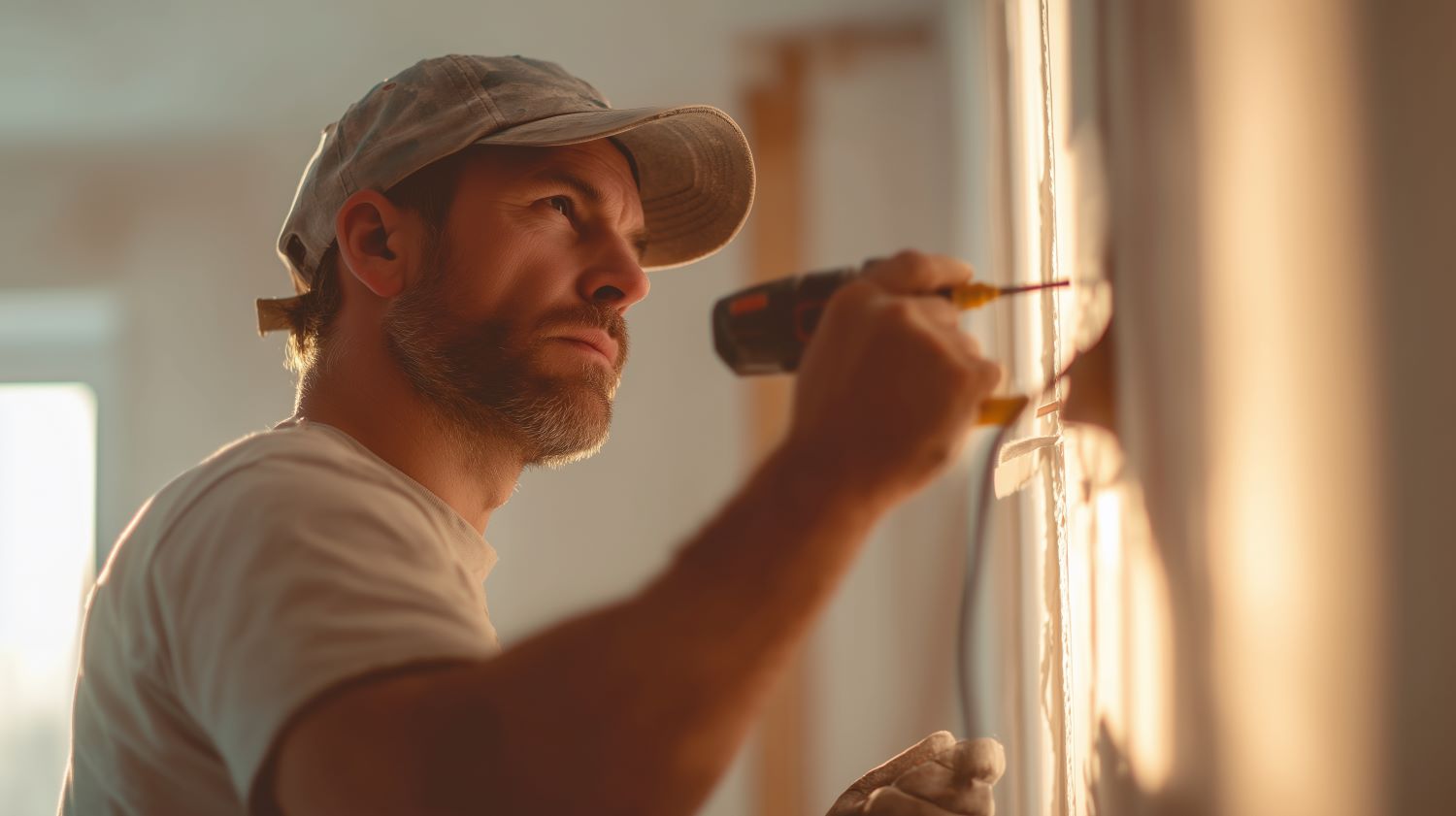
Under the updated legal framework, co-owners are now entitled to request professional inspections of structural elements, engineering systems, and shared infrastructure. These inspections help identify construction defects, safety risks, and technical weaknesses at an early stage, allowing corrective actions before problems escalate.
Why the new law changes property maintenance standards
One of the most important changes is the requirement to plan maintenance financially. Property owners must now contribute to reserve funds used for structural repairs, waterproofing, and safety improvements. This approach prevents situations where buildings deteriorate due to lack of funding or coordination.
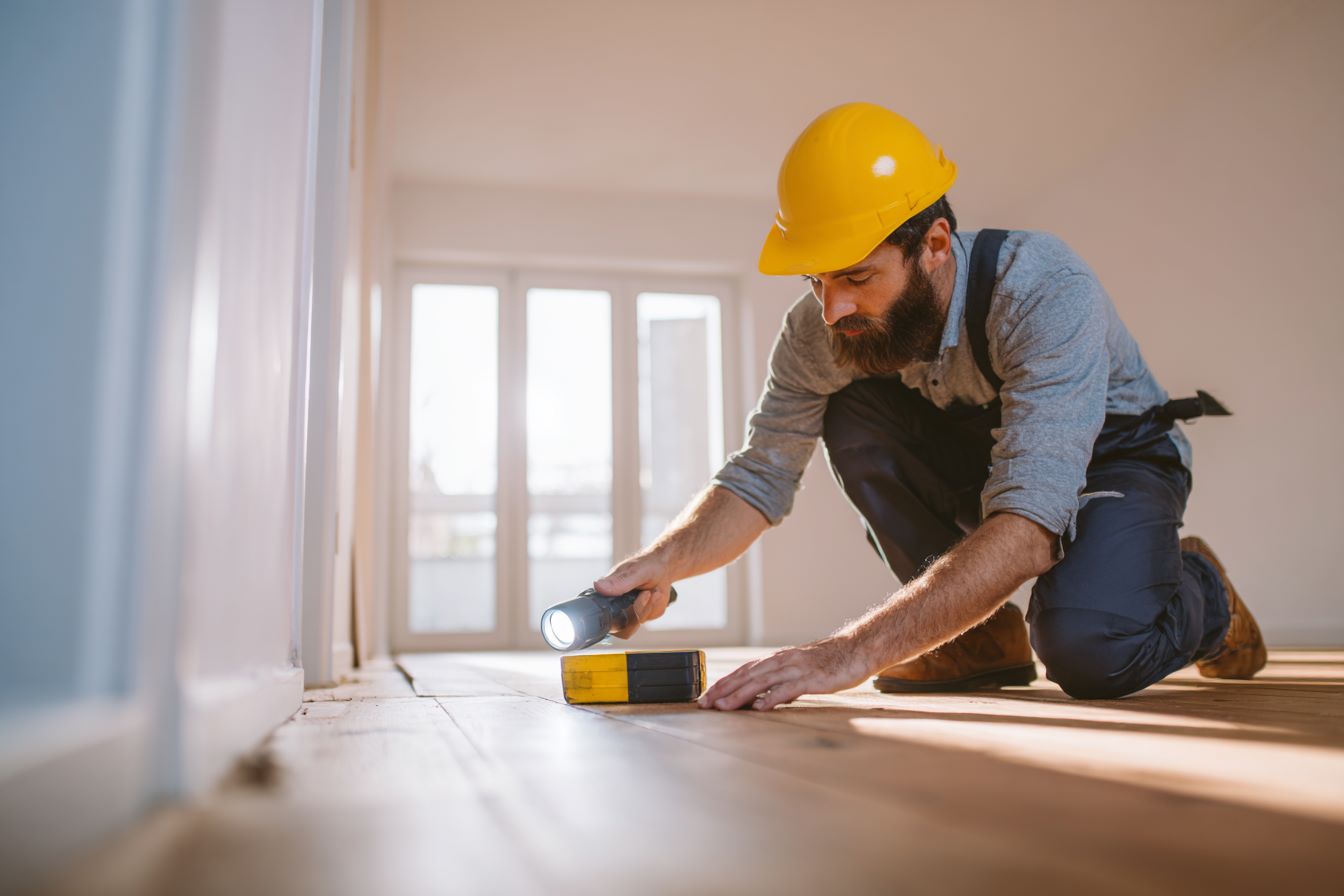
In practice, many properties in Northern Cyprus still suffer from construction issues caused by poor supervision or rushed development. Cracks, hidden leaks, thermal bridges, and unstable materials often remain unnoticed for years. Professional inspections help reveal these issues early and reduce long-term repair costs.
A reliable starting point is professional building inspection and diagnostics, including leak detection and structural assessment. These services help identify hidden risks before they turn into expensive emergencies:
How shared responsibility improves safety and value
The new legal framework encourages owners to think long-term. Instead of reacting to visible damage, buildings are now expected to follow preventive maintenance strategies. This protects both property value and occupant safety.
Common problem areas in shared buildings
Bathrooms and wet zones remain some of the most vulnerable areas in residential properties. Poor sealing, incorrect slopes, and low-quality materials often lead to moisture penetration and mold development. Without timely intervention, these issues can damage structural elements and reduce indoor air quality. Professional inspections and repairs help prevent long-term deterioration:
Moisture and climate-related damage
Northern Cyprus has a warm and humid climate, which increases the risk of condensation, damp walls, and mold growth. These issues not only affect comfort but also weaken construction materials over time. Proper diagnostics and moisture control solutions play a key role in preserving buildings and ensuring healthy living conditions:
Energy efficiency as part of modern property management
Modern property management is no longer limited to repairs. Energy efficiency has become a major priority for homeowners and investors alike. Updated electrical systems, optimized energy consumption, and smart technologies help reduce costs while improving safety and sustainability. Professional solutions in this area support long-term efficiency and compliance with modern standards:
A new mindset for responsible property ownership
The updated co-ownership law encourages a proactive approach to property care. Instead of reacting to failures, owners are expected to monitor conditions, plan maintenance, and ensure technical compliance. This shift protects investments, improves safety, and increases overall property value.
If you want your property to remain safe, functional, and legally compliant, it’s time to work with professionals who understand local construction realities. Fix My Home provides expert inspections, repairs, and maintenance solutions tailored to the conditions of Northern Cyprus. From diagnostics and moisture control to electrical upgrades and structural supervision, their team helps you protect your property and avoid costly mistakes.
Take control of your property’s future today. Contact Fix My Home and turn maintenance into a smart, long-term investment rather than an emergency expense.